
Field Notes: June 2026
Getting settled in NY, tick season, cytology AI, and more



Dear Readers,
Apologies for being relatively quiet since my last update—between the actual moving process from Florida to New York and starting my new job, I just didn’t have the bandwidth. Our garage is still filled with plenty of unopened cardboard boxes, but we’re making slow and steady progress 😅 On top of that, it takes time to do all of the “adulting” that comes with a move like updating addresses, doing all the painful DMV tasks, finding new doctors / dentists / barbers / mechanics / gym, etc.
That said, we are finally getting a bit more settled, and have started to explore all of the amazing things upstate New York has to offer in the summer. For one, it is strawberry harvest season and we tried our hand at picking. While my photos didn’t come out as pretty as the one at the top of this post, they did taste just as good as those look! We also visited Lake George for the Adirondack Food & Wine Festival, took our dogs Brooklyn and Kali hiking in the local forests, and have been trying some wonderful local restaurants.

As we close out the month of June, I wanted to bring you a few timely stories relevant to veterinary medicine. The main topic is on tick borne diseases, which are a huge issue in this part of the country. Then I share one of my former trainee’s experiences with AI cytology devices and several interesting articles from around the internet. Going forward, I’m hoping to get back to a more regular cadence of writing in the coming weeks.
—Eric

An Epic Tick Season
The gallery of blood smear photomicrographs below show neutrophils—a type of white blood cell—that contain granular purple inclusions called morulae. Based on the appearance, type of cells, and geographic area, these are most consistent with a type of infectious organism called Anaplasma phagocytophilum1. I am seeing a lot of these bugs this summer! Dogs and cats infected with A. phagocytophilum often present with fevers, painful joints, swollen lymph nodes, and abnormal blood counts.


Anaplasmosis is transmitted by ticks, just like Lyme Disease, Ehrlichiosis, and Rocky Mountain Spotted Fever, and they have been out in force this summer. The main one in upstate New York and New England is this creepy crawler named Ixodes scapularis, aka the black-legged or deer tick:
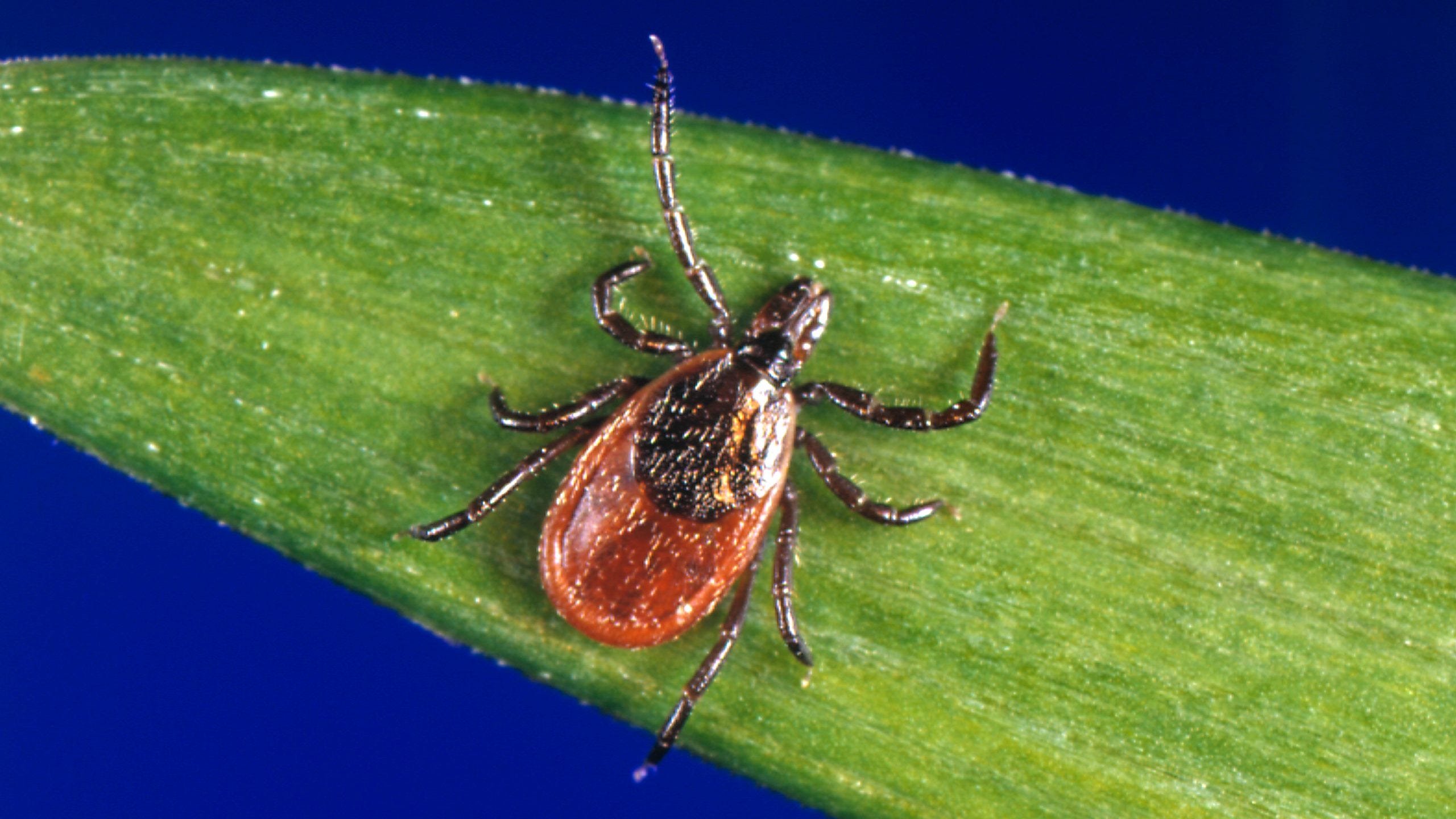
In addition to being highly prevalent in this area, many of the ticks that have been tested as part of a disease surveillance program show a high rate of infection with one or more pathogens. Near where I live, at least 1 in 3 ticks are carrying disease!!
![May be a graphic of map and text that says '% OF TICKS TESTING POSITIVE FOR AT LEAST ONE PATHOGEN Tupper TupperLake lake Watertown Buffalo Rochester Syracuse Lake LakePleasant Pleasant Olean Hornell Albany Binghamton Kingston LOW [<20% OF TICKS TESTED] MEDIUM [20-29% OF TICKS TESTED] HIGH [30-39% OF TICKS TESTED] VERY HIGH [>40% OF TICKS TESTED] Now NowYork York'](https://substackcdn.com/image/fetch/$s_!DOQ8!,f_auto,q_auto:good,fl_progressive:steep/https%3A%2F%2Fsubstack-post-media.s3.amazonaws.com%2Fpublic%2Fimages%2F099ec445-91b7-4d50-9384-cacd56fb98db_1920x1080.jpeg "May be a graphic of map and text that says '% OF TICKS TESTING POSITIVE FOR AT LEAST ONE PATHOGEN Tupper TupperLake lake Watertown Buffalo Rochester Syracuse Lake LakePleasant Pleasant Olean Hornell Albany Binghamton Kingston LOW [<20% OF TICKS TESTED] MEDIUM [20-29% OF TICKS TESTED] HIGH [30-39% OF TICKS TESTED] VERY HIGH [>40% OF TICKS TESTED] Now NowYork York'")
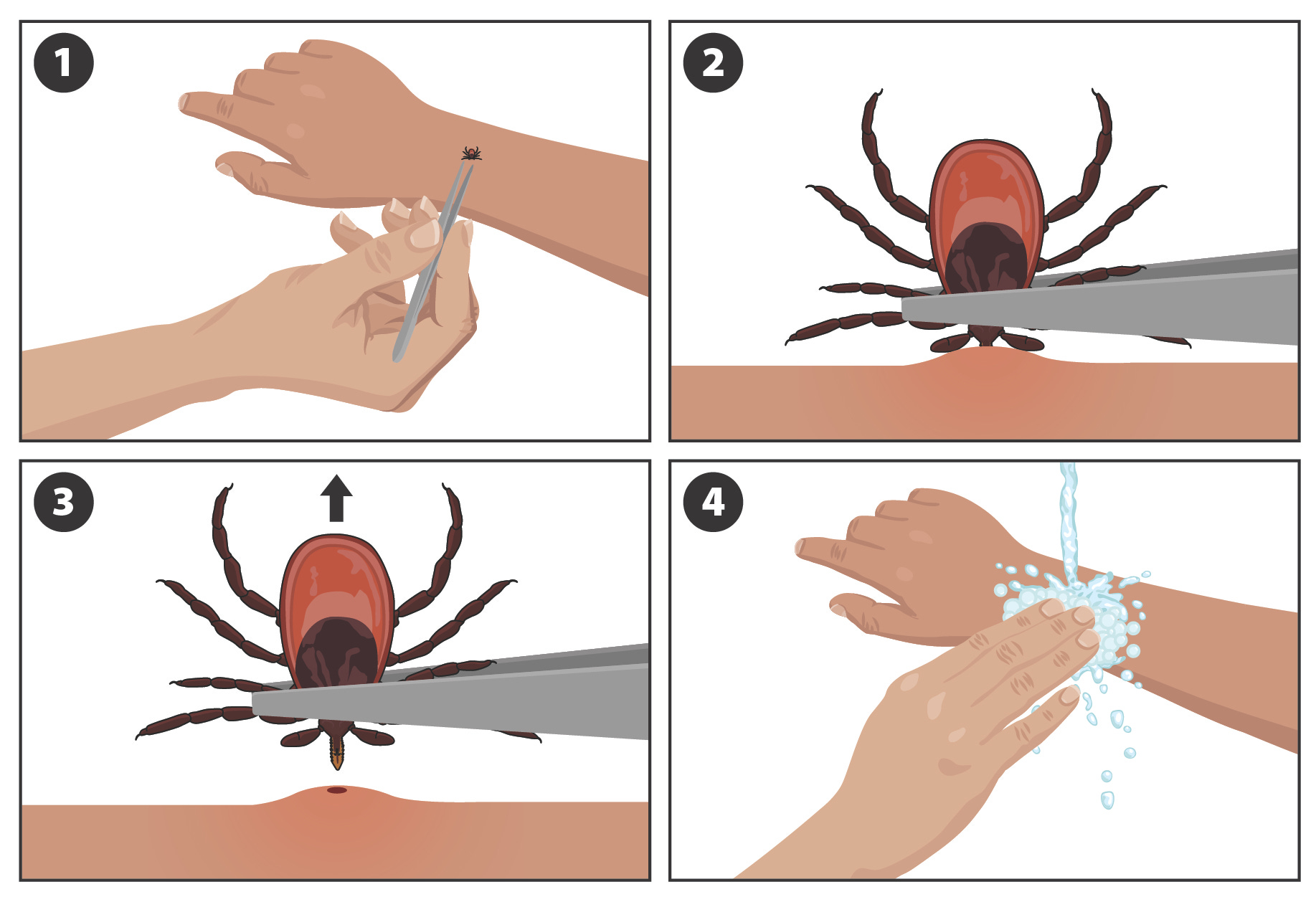
These bugs are everywhere and can even find you indoors and through clothing: Much to my horror, the first weekend here in NY I woke up to find a small dark dot on my thigh. At first it seemed like a skin tag… then it started moving 🤢🤮 I swallowed my disgust and removed that tick carefully with a pair of tweezers.
The good news is most tick-borne diseases require them to be attached for 24-36 hours or more to transmit, so if you promptly notice them and take them off, your odds of getting sick are dramatically reduced. If you have never had the “pleasure” of dealing with these bugs, you can follow the steps below from the CDC:
Warning!
There is a lot of bad folk advice out there about dealing with ticks—do NOT use petroleum jelly, heat, nail polish, or other substances to try and make the tick detach from the skin. This can stress the tick and make them regurgitate their stomach contents, actually increasing the risk of illness
Hopefully, a little awareness of the issue and knowing the proper way to remove ticks keeps you and your family safe this summer! For your furry friends, I recommend talking to your veterinarian about their recommendations for flea and tick preventative products. There are a lot of options out there these days, ranging from topical liquids to chewable tablets to slow release collars. Each has its own pros and cons, so the right choice depends on your preference and your pet’s lifestyle.
Skepticism About AI Cytology Devices
One of the great things about teaching interns and residents is you can watch them grow as professionals and build an exciting career. One of my former trainees, Dr. Jordan Towns, is now a faculty member at Auburn, and she has been recently sharing her experience with second-opinion referrals from vets who tried AI cytology devices first. Her post about this on LinkedIn, Facebook and other platforms (shared below with permission) went viral last week:
Message for my vet friends: In the last few days, I’ve heard multiple veterinarians say that they tried to use AI cytology machines that various companies/ salespeople had marketed to them. These vets had all recently used AI cytology machines for various cytology slides and they informed me that the machine reported the results were “inconclusive.” They then submitted images of the slide to me or other pathologists (we all talked together) and these “inconclusive” findings were actually VERY BASIC things like a reactive lymph node, mast cell tumor, or very obvious melanoma. These are brainstem diagnoses for any clinical pathologist, but AI resulted these out as “inconclusive.”
Please don’t get me wrong, I am not opposed to AI. I would appreciate AI taking some work off my plate if it could consistently, accurately result out some of the basic stuff so I had more time for complicated cases. But these machines are currently NOT ready for “prime time”. These machines are not accurate or validated and need a LOT more work to be ready for real-world use. I’ve been informed that some of the time, some machines will give an answer that is incorrect rather than just saying “inconclusive”, which is even more dangerous for patients. These machines are being sold to general practitioners as a “quicker, cheaper option” to having a pathologist review a slide. It is simply not the case right now, and these machines have no business in a clinic determining patient results yet. They need a LOT of development. It is really irking me (putting it nicely) that companies are selling these machines already and making money off of this.
TL;DR: AI cytology isn’t ready for prime time, and the machines aren’t accurate or validated. It would be much better (in the interest of patient care and finances) to send your slides to a pathologist, at least until a lot more development has happened and the machines have been validated.
She followed that post up with another you can find here.
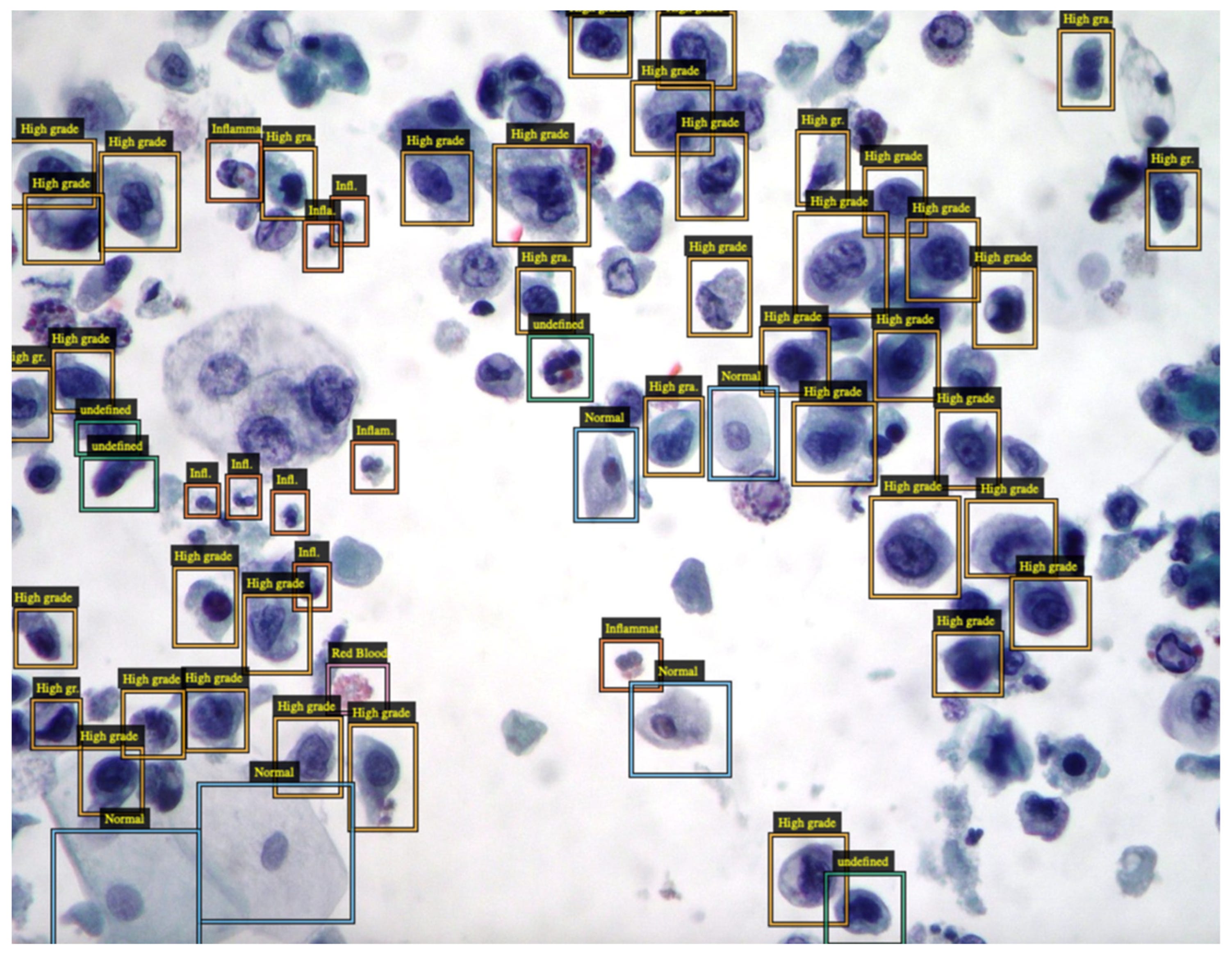
There are at least three different AI cytology analyzers on the market right now, and more come out all the time. While breaking down their methods and performance is beyond the scope of this piece, you should know that there are currently ZERO peer-reviewed validation studies on any of them. Unless and until there is independent research showing this technology is reliable, the best policy is:
Caveat patiens
(Latin for “let the patient beware”)
What I’m Reading:
Finally, here are a few other stray links I came across that readers may be interested in:
Clinical trial shows lorazepam prevents urethral obstruction recurrence in cats (Journal of the American Veterinary Medical Association)
Urinary obstruction is a common emergency in male cats that can be life-threatening. While it is usually straightforward to treat, unfortunately cats often relapse, which can be expensive and frustrating. This recent prospective, randomized, double-blind, placebo-controlled study in JAVMA found that simply adding this sedative to standard treatment substantially reduced the severity of symptoms and incidence of recurrence. Great news for cats everywhere!
New drug shows promise for treating pancreatic cancer (New York Times)
Until now, pancreatic cancer was considered essentially a death sentence, with a 5-year survival rate of ~3%. It is frequently not diagnosed until late stage when it has spread throughout the body. It also tends to be resistant to chemotherapy. A number of famous people have died from this disease, including Steve Jobs, Patrick Swayze, and Ruth Bader Ginsberg.
Now, daraxonrasib may be changing that grim prognosis. This oral medication targets KRAS, an oncogene protein that could be thought of as a car’s accelerator that is stuck flooring it at max speed. Phase 3 clinical trial results show that 90% of patients on the drug had no new tumors form, about a third had their existing tumors shrink, and the median survival in the treatment group doubled to ~1.5 years.
KRAS mutations also drive other tumors, and daraxonrasib may hold promise for people with lung and colon cancer (perhaps even animals some day!)
What Your Vet Is Actually Feeling When You Say You Can't Afford It (Substack)
This is a wonderful—and compassionate—piece by Dr. Melanie Moore on the rising cost of medicine and how it impacts your vet when it’s a barrier to care
AI is Taking Over Hospitals (The Atlantic)
This piece by human pathologist Dr. Benjamin Mazer discusses how ChatGPT and similar companies are skirting regulations and infiltrating the healthcare system
Author’s Note: This article is for educational purposes only and does not constitute medical advice. Nor does it necessarily reflect the viewpoints of any current or previous employers.
Another organism called Ehrlichia ewingii can look very similar, but is less common in this area
Oh, growing up in West Virginia, playing in the woods or fields, there were always ticks in the summer. Sometimes there might be three or four crawling on me when I got back home.
Upstate New York is wonderful, and I am sure that once you have finished something in you will really enjoy it.
I am growing really frustrated with the tech industry’s relentless push to incorporate AI into everything, even when it is not up to the task. Not only can it potentially compromise patient care, it may also represent a security risk to the EMR. I do see it eventually having a valuable role to play in medicine, but right now it is just not ready for prime time in most fields (with screening Pap smears being an interesting exception to the rule).