
Field Notes: December 2025
AVMA accreditation lawsuits, Ozempic for cats, and scientific diving in the Pacific


Dear Readers,
Apologies for the lack of updates over the past few weeks. After Halloween, it always seems like a whirlwind sprint towards Thanksgiving, Christmas, and New Year’s Eve, and between work and holiday travel, writing has fallen by the wayside. Soon I’ll be heading to western New York to see family, and one of my favorite places to visit when I’m home is Niagara Falls—it looks sublime when it freezes over in the winter, so I thought that would be a great header photo for this post.
Despite my hectic schedule, I did want to share a few interesting stories I recently came across, including an update on the vet school accreditation lawsuit drama, news about a company experimenting with Ozempic for cats, and an inspiring story about ocean research and conservation. I hope you enjoy!
Please note: If the email version of this article is cut off for being “too long” you can always find the full length version (and all of my other posts) at: allscience.substack.com

Updates on AVMA-LMU accreditation lawsuit
This June, Lincoln Memorial University (LMU) sued the AVMA over a dispute about vet school accreditation standards, particularly concerning research facilities and funding, alleging an antitrust conspiracy to restrict the supply of veterinarians. I provided my take in this essay:

The AVMA filed a motion to dismiss the suit in September on the grounds that any harms to LMU were hypothetical and may never come to pass. Indeed, the AVMA-COE allowed LMU to proceed with plans to open a second campus in Florida. However, the US Department of Justice has now weighed in by filing a “Statement of Interest” in the lawsuit, which is akin to an amicus brief (or “friend of the court” filing).
While the DOJ statement does not definitively rule on the merits of LMU’s claims, it is important because it preemptively shoots down several of the AVMA’s arguments, specifically that they are not exempt from antitrust suits due to prior approval by the Department of Education or because the specific claims are tied to state practice acts rather than a dispute over federal law. As Lance Roasa, who is both a veterinarian and a lawyer, told VIN News:
“It reads like a judicial opinion… it's almost as if the DOJ is deciding the case while dismantling the AVMA motion to dismiss. It's strongly worded and not vague. In my opinion, it makes certain defenses much more difficult for AVMA attorneys.”
I understand that ending the suit without ruling on the substantive issues could have broad implications for other professional degrees, such as medical school, law school, etc. Nevertheless, it strains credulity that the same administration that is firing vets at the FDA and USDA, slashing university funding, rolling back consumer protection regulations, and voiding bans on non-compete agreements suddenly has a good faith interest in the health of the veterinary profession or safeguarding the public, and I question their motives.
It’s clear that however this case is resolved, scrutiny over AVMA-COE accreditation policies and procedures is not going anywhere. In a separate case, Tuskegee sued the AVMA over being placed on terminal accreditation status for deficiencies in their finances, clinical resources, and NAVLE board exam pass rate, although they quickly dropped it when the AVMA agreed to reconsider its decision. This summer, posts alleging bias in how the NAVLE scores are calculated went viral on Reddit and other social media platforms. In response they are inviting an independent audit of the NAVLE exam. This is a great first step; now more than ever, the AVMA needs to prove their standards are consistent, defensible, and transparent, or they risk losing any role in supervising veterinary education, an outcome that will certainly be bad for all stakeholders, from animals to pet owners, students, and veterinarians.
GLP-1 agonists for fat cats?
Obesity is not just a serious problem for people, but also our pets. Like us, they suffer from many diseases linked to excess body fat, including cancer, diabetes, osteoarthritis, pancreatitis, and more. In my review of Dr. Peter Attia’s book Outlive, I talked about how being overweight dramatically shortens lifespan in dogs. In fact, studies have shown as much as a 15% increase in lifespan—almost 2 years!—from keeping dogs lean:

Cats are particularly affected since over half in the US are overweight or obese! However, as most pet owners know, keeping them trim is easier said than done. While we humans control what goes into their mouths, our canine and feline friends have gotten quite skilled at manipulating us, tugging on our heart strings for bigger portions and treats. This is where GLP-1 agonist drugs like Ozempic might come in handy: by reducing their appetite, they might stop begging their owners, making it easier to feed them an appropriate diet.
The San Francisco-based biotech company Okava Pharmaceuticals has started a clinical trial called MEOW-11 evaluating their GLP-1 agonist drug in cats. In contrast to people, who need regular injections, Okava will be using a small implant about the same size as a microchip to slowly release the drug over time. They will initially be looking at the drug’s safety and efficacy for obesity in 50 cats, with the results expected mid 2026. If their first trial is successful, Okava plans to expand with larger studies evaluating other indications such as chronic kidney disease and diabetes for which GLP-1s have been shown effective in humans.
I have to say that when I first heard about using GLP-1 drugs in animals, I had some very mixed feelings. On the one hand, it is treating a preventable issue related to modernity and will-power. Yet I’ve had cats my whole life and can attest to how difficult it is to ignore their begging, and determined pets can also get very skilled at finding ways to steal food! The target price Okava floated is certainly not cheap at $100/month, but you have to consider that in context of how expensive it is to treat complications of obesity:
Diabetes: Insulin can run $100-300 or more per vial, and may need to be bought every few months depending on the dose needed
Cancer: CHOP chemotherapy for lymphoma can run $5,000-7,000
Osteoarthritis: Surgery to repair torn cruciate ligaments in both knees can be in the five-figure range
In the end, I’d say I’m skeptical but intrigued; let’s wait for the data before deciding. If GLP-1 agonists are shown to be safe and highly effective at weight loss and lifespan extension in pets, it would be a boon to people who can afford it.
Scientific diving leads to new CA conservation law
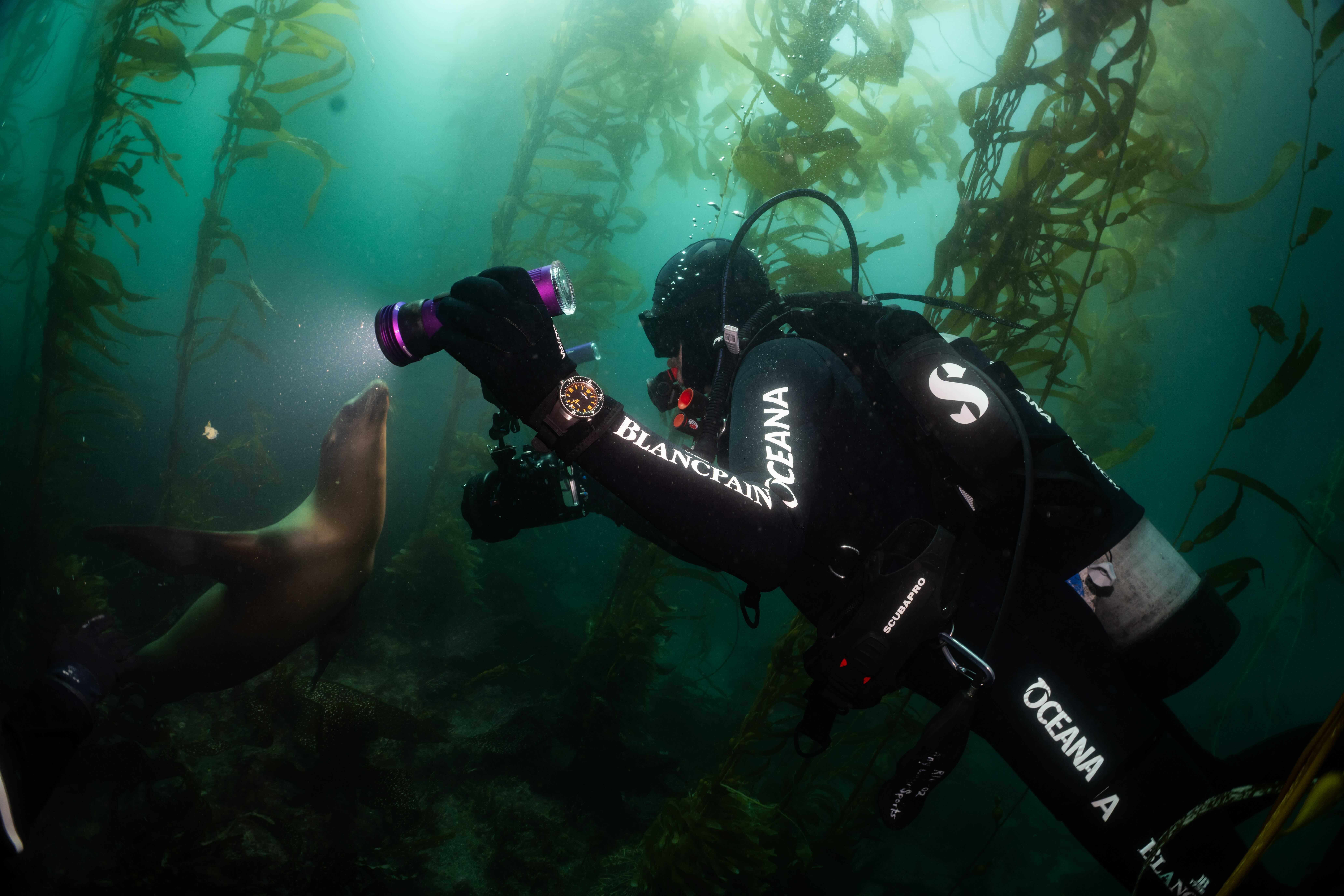
This last story is a neat one that combines several of my hobbies, including diving, watch collecting, and scientific research. Diver and Substacker Jason Heaton recently wrote about his ongoing participation in Oceana expeditions sponsored by the luxury watchmaker Blancpain. One of their main objectives was to sample environmental DNA (or eDNA) in the water around the Channel Islands in the Pacific off the coast of southern California to analyze the biodiversity of the region. From one article on the voyage in HODINKEE:
“Think of it like a crime scene investigation underwater. That water he collects in his bag, or the water he brings up from 100 meters deep in a specialized tethered drop bottle, is then processed back on the boat using vacuum pressure and filters that capture the DNA present in the medium. The water is then discarded, and the filters, labeled for each location and time, are taken back to a lab for analysis, revealing every living creature that has passed through the water, including us, I suppose.”
Their data has since shown that over 12,000 unique species pass through the water around the Channel Islands! As a result of their expeditions, California recently passed and Governor Newsom signed into law Assembly Bill 1056, which bans gillnet fishing, a practice that is very harmful to marine ecosystems. At a time when so many business, government, and scientific institutions are failing us, it is great to see inspiring examples of research findings driving successful conservation efforts. I would encourage you to check out Jason’s post along with the HODINKEE write-up for some amazing photos of sea lions, scorpion fish and other marine life swimming through gorgeous underwater kelp forests.


This will probably be the last All Science article of 2025 until my annual review post around New Year’s Eve/Day. In the interim, I wish you all a warm and joyful winter holiday with friends and family!
Cheers,
Eric
The full name of the trial is a backronym derived from “ManagEment of Over Weight cats”
Insightful thread- thank you!
Cats are not little fat people and their idiosyncrasies like transient diabetes mellitus will make a GLP-1 study pretty interesting. Fingers crossed.
Wishing you a Merry Christmas.